
July 30, 2025 · 6 min read
Why a Documented Home Inventory Changes Everything in a Senior Move
By Melissa Darr, NASMM Member
The most common phone call I get six months after a senior move is some version of: we cannot find the diamond brooch. Or the silver service. Or the photo album from the 1962 trip to Italy. The family is convinced something was stolen. Usually, nothing was stolen. It was packed, but no one knows in which box, in which storage unit, in which sibling’s attic.
There is one tool that prevents that call almost entirely. A documented home inventory.
What it actually is
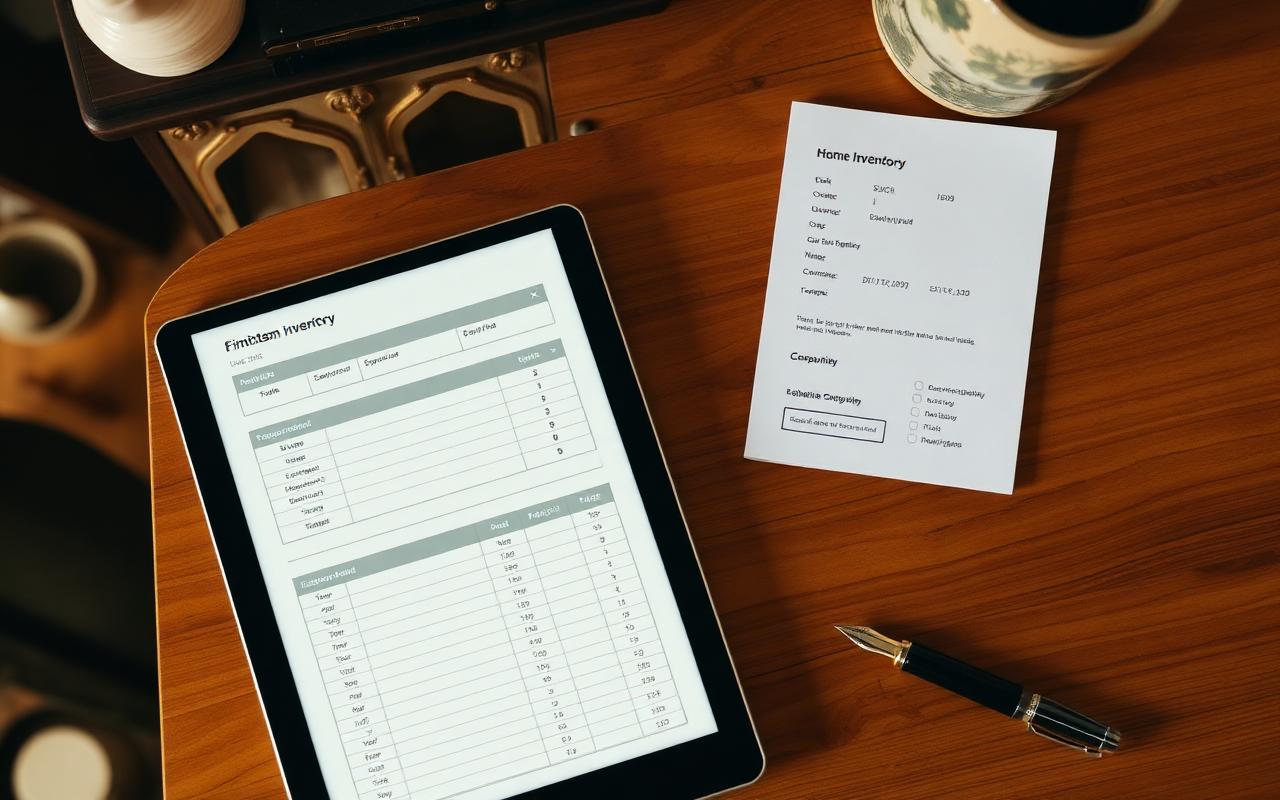
A home inventory, the way we build one, is a digital, searchable record of every item kept during a move. For each item: a photograph, a one-line description, the room it came from, the box it went into (or the destination, if it went to a family member), and where it lives now. For meaningful items, a sentence or two about its story.
It takes time to build. We do it as we go, room by room, during the sort. That is the only way it stays accurate.
Why it matters during the move
First, it ends the missing-item panic. When Mom asks where her mother’s tea set is, we search the inventory in thirty seconds and tell her: Box 27, currently in Susan’s garage, photographed on June 12. The conversation ends.
Secondly, when a parent says, I cannot decide about the dining set, we add a photo and a note to a Pending decisions list. We come back to it next week. No one feels rushed.
Third, it protects the family from disputes among siblings. Heirlooms get photographed before they get gifted. Everyone sees the same record. The story you tell in twenty years matches the story your brother tells.
Why it matters after the move
This is the part most families do not anticipate.
For insurance: a documented inventory is gold. If the apartment ever has a fire or a flood, your parent has a record of contents most insurers will accept on its face. Without it, you are reconstructing forty years of belongings from memory.
For estate planning: when the time comes, the executor has a head start. Items are catalogued. Heirloom intent is recorded. The house has already been sorted once.
For the grandchildren: in twenty years, a grandchild will pick up a piece of porcelain off a shelf and ask, where did this come from. With an inventory, there is an answer. Without one, the answer is lost.
What about Artifcts and other tools
Artifcts is a partner of ours and a genuinely good platform for this. It lets families build permanent digital records of heirlooms with photos, stories, audio notes from the original owner. We use it for clients who want a long-term archive that the next generation can actually use.
The platform matters less than the practice. Whether the inventory lives in a shared spreadsheet, a Google Drive folder, or Artifcts, the act of writing it down is what protects your family.
The bottom line
An undocumented move is a move you will spend the next decade quietly cleaning up. A documented move is a move that continues when the truck leaves, by knowing where your items are in the boxes, with no confusion. The difference is a few hours of work, distributed across the project, by someone who knows what to capture.
More to read
When you’re ready, we’re here.
No script, no pitch. One quiet conversation about your family.
No cost. No pressure. No commitment. Just 15 minutes to see if we’re the right fit for your family.